Silent and Dangerous: The Impact of Gum Disease on Your Health
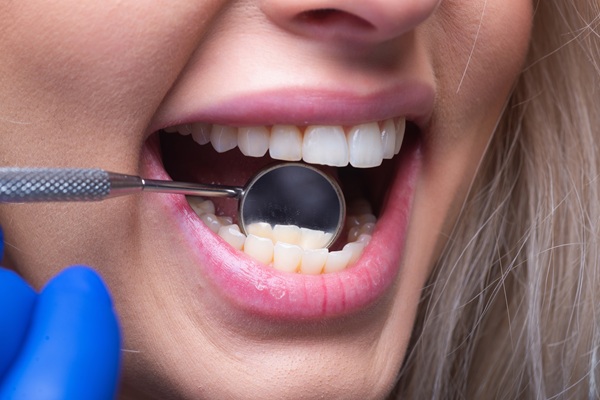
Gum disease is a common yet often overlooked condition that affects millions of adults worldwide. It begins subtly, often without noticeable pain, making it a silent threat to both oral and overall health. Left untreated, gum disease can progress from mild inflammation to a severe infection, potentially leading to tooth loss and contributing to other serious health complications. Understanding the risks and signs of gum disease is essential for maintaining a healthy smile and overall well-being.
Understanding gum disease
Gum disease, also known as periodontal disease, occurs when bacteria in dental plaque irritate the gums. The earliest stage, gingivitis, causes redness, swelling, and bleeding during brushing or flossing. Without treatment, gingivitis can progress to periodontitis, where the infection damages the soft tissue and bone that support the teeth. Periodontitis can lead to loose teeth, receding gums, and eventual tooth loss.
How gum disease affects overall health
Research indicates that gum disease is not limited to oral health. Inflammation and bacteria associated with gum disease can enter the bloodstream, affecting other parts of the body. Studies have linked gum disease to cardiovascular disease, diabetes, respiratory infections, and complications during pregnancy. Managing gum disease not only protects teeth and gums but may also reduce the risk of these systemic health issues.
Signs and risk factors
Recognizing the warning signs of gum disease is crucial for early intervention. Common indicators include:
- Bleeding gums: Bleeding during brushing or flossing often signals early gum disease.
- Red or swollen gums: Inflammation or puffiness around the teeth is a common symptom.
- Persistent bad breath: Ongoing halitosis can indicate bacterial buildup below the gumline.
- Loose teeth: Advanced gum disease can weaken supporting structures, causing tooth mobility.
Certain factors increase the risk of developing gum disease, including smoking, poor oral hygiene, genetics, hormonal changes, and chronic illnesses such as diabetes. Regular dental visits help identify these risks and provide opportunities for preventive care.
Prevention and treatment
Preventing and managing gum disease begins with daily oral hygiene. Brushing at least twice a day, flossing daily, and using an antiseptic mouthwash help reduce plaque buildup. Routine dental exams and professional cleanings enable dentists to identify early signs of gum disease and implement effective treatment strategies.
For mild cases, non-surgical treatments such as scaling and root planing can remove plaque and tartar that has accumulated below the gumline. More advanced cases may require surgical interventions, including flap surgery or bone grafts, to restore damaged tissue. Timely intervention is critical to prevent permanent damage and maintain oral health.
Get treated for gum disease at our Coal City office
Gum disease is a silent and dangerous condition that can have significant consequences beyond the mouth. Recognizing the signs, understanding risk factors, and maintaining regular dental care are key to preventing its progression. By taking proactive steps, patients can protect their teeth, gums, and overall health, reducing the risk of complications associated with gum disease. For more information or to schedule an appointment, call our office at (815) 634-6046.
To schedule a consultation, request an appointment on our website at https://www.coalcitydental.com or call Coal City Dental at (815) 634-6046 for an appointment in our Coal City office.
Check out what others are saying about our dental services on Yelp: Gum Disease in Coal City, IL.
Related Posts
Think you may need gum disease treatment? Read on to learn more about this condition. Gum disease treatment is necessary if infection-causing bacteria invade the oral cavity. Without prompt treatment, the bacteria will cause severe gum inflammation, which can lead to problems with the bones and tissues that support the teeth.Gingivitis is the first stage…
Gaps in a smile can make everyday tasks like eating or talking uncomfortable. Fortunately, dental bridges remain a reliable dental restoration to replace missing teeth and restore your everyday chewing function. This guide provides the information you need about the four types of dental bridges and helps you choose the right option for your unique…
Dental fillings repair teeth affected by cavities. However, how long they last depends on the selected material, the patient's bite, and how well that patient cares for their smile. With good oral hygiene and regular dental visits, fillings can last many years.A dental filling must handle everyday chewing, temperature changes, and daily cleaning. These forces…
If you rely on implant supported dentures for everyday oral function, a sudden repair may feel like a major setback for your confidence and comfort. While these restorations are designed for long-term durability, their mechanical components can wear down over time. Understanding the restorative process ensures that a solution is reached quickly. Although the titanium posts…